
Programs · Education · Case Studies
The Real-World Benefits of Decency
Discover how decency in government benefits everyone and explore case studies showing how decent conduct by public officials protects lives, saves taxpayer money, and builds public trust.

“Decency in government is not weakness — it is effective leadership.”
Every American Has a Stake
Decency Helps the Fiscally Conservative
- Waste reduction: ethical leadership prevents cronyism and misuse of taxpayer funds.
- Market stability: predictable, decent governance lowers policy risk and borrowing costs.
- Incivility and brinkmanship are expensive — shutdowns and standoffs raise borrowing costs and cause unrecoverable GDP losses.
Decency Helps the Fiscally Liberal
- Program integrity: decency ensures public resources reach intended recipients.
- Collaborative policymaking: respectful negotiation enables major public investments.
Decency Helps the Socially Conservative
- Institutional trust: decent leadership reinforces the legitimacy of family, faith, and civic institutions.
- Civic virtue: leaders who model respect strengthen the norms that keep communities orderly.
Decency Helps the Socially Liberal
- Equal treatment under the law: decency demands fairness and protects against biased enforcement.
- Reduced harm: lowering dehumanizing rhetoric decreases public support for discrimination or violence.
Decency Helps the Higher-Income Citizens
- Asset protection: stable, ethical governance prevents unpredictable shifts in property rights or regulations.
- Global competitiveness: high-trust, low-corruption nations attract top talent and investment.
Decency Helps the Middle-Class Citizens
- Meritocracy: decency ensures jobs, contracts, and opportunities are awarded based on ability, not political connections.
- Lower hidden costs: indecent governance leads to deteriorating infrastructure and inflated utility costs.
Decency Helps the Economically Vulnerable Citizens
- Protection from abuse: those with the least power are most at risk of mistreatment by officials; decency ensures dignity and legal rights.
- Reliable safety nets: transparent, respectful governance ensures fair distribution of essential services.
The Case Studies
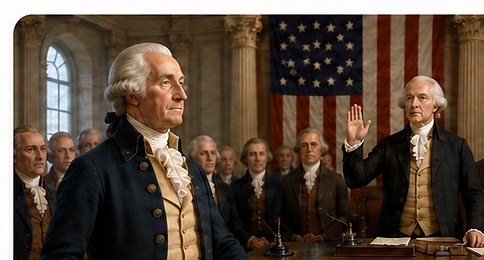 Case Study 1 · Restraint & Constitutional Duty
George Washington and the Peaceful Transfer of Power
What HappenedAfter two terms as the first U.S. president, George Washington voluntarily stepped aside in 1797 and watched John Adams take the oath of office.
The Decent ConductHe put the Constitution and the republic above personal power, proving that leaders should serve and then step aside.
The Real-World BenefitWashington established the precedent of peaceful transfer of power and the two-term tradition that later shaped the 22nd Amendment.
The Lasting ImpactThat example helped make the United States the first modern republic where power could pass peacefully between rivals without violence.
Why It Still MattersEvery peaceful inauguration since then has depended on the principle that no leader is bigger than the office.
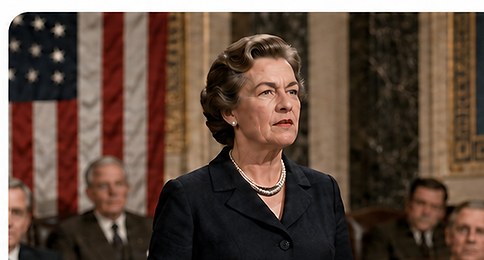 Case Study 2 · Courage & Principle
Margaret Chase Smith and a Declaration of Conscience
What HappenedIn 1950, Senator Margaret Chase Smith publicly challenged McCarthy's fear and smear tactics in her "Declaration of Conscience."
The Decent ConductShe stood up to a powerful member of her own party and defended fairness, free speech, and due process.
The Real-World BenefitHer speech opened the way for more Republicans to reject McCarthy's methods and helped build momentum toward his later censure.
The Lasting ImpactSmith became a lasting model of civic courage, showing how one official speaking up can influence a much wider debate.
Why It Still MattersDemocracy is safer when leaders refuse to stay silent in the face of intimidation.
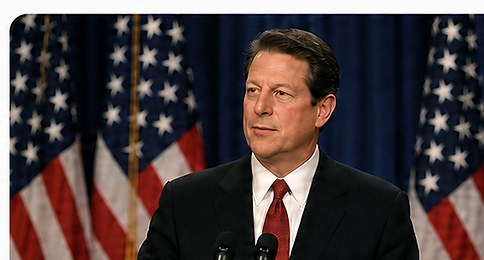 Case Study 3 · Unity Over Grievance
Al Gore and the 2000 Concession
What HappenedAfter the disputed 2000 election and Bush v. Gore, Al Gore conceded on December 13 and urged Americans to unite.
The Decent ConductHe accepted an outcome he believed was wrong in order to protect national unity and the peaceful transfer of power.
The Real-World BenefitHis concession defused a legitimacy crisis and allowed government, markets, and the transition to move forward smoothly.
The Lasting ImpactThe speech remains a model of democratic statesmanship and is still cited as an example of how defeated candidates should behave.
Why It Still MattersDemocracy depends on leaders who put the system above themselves when the stakes are highest.
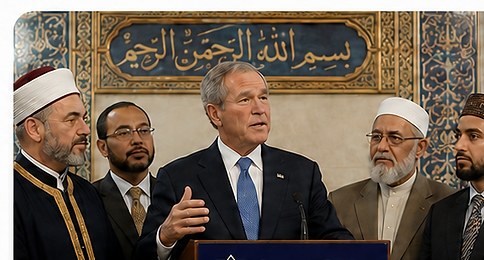 Case Study 4 · Respect & National Unity
George W. Bush and Respect for Muslim Americans
What HappenedDays after 9/11, President George W. Bush visited the Islamic Center of Washington and said Muslim Americans were valued fellow citizens.
The Decent ConductHe used the presidency to separate terrorists from Islam and called on Americans to treat one another with respect.
The Real-World BenefitAnti-Muslim hate crimes fell sharply the following year, and public attitudes toward Muslim Americans improved.
The Lasting ImpactHis message helped frame the war on terror as a fight against extremists, not a war on a religion.
Why It Still MattersIn fearful moments, words of restraint from leaders can protect innocent people and save lives.
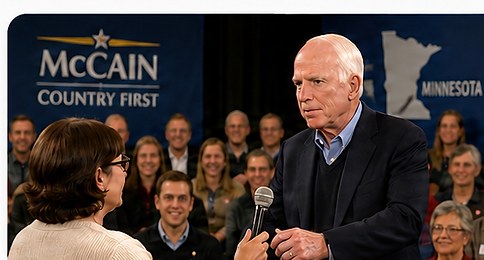 Case Study 5 · Respectful Disagreement
John McCain Corrects a Smear
What HappenedAt a 2008 town hall, John McCain corrected a supporter who smeared Barack Obama and defended Obama's decency.
The Decent ConductHe refused to exploit a false and demeaning attack, even though it came from his own crowd during a hard campaign.
The Real-World BenefitMcCain modeled respectful disagreement and showed that politics should be about issues, not dehumanizing opponents.
The Lasting ImpactThe moment endures as one of the clearest examples of honorable conduct in modern campaigning.
Why It Still MattersA republic works better when rivals treat each other as fellow citizens rather than enemies.
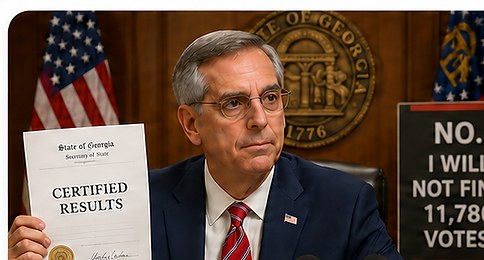 Case Study 6 · Truth & Election Integrity
Brad Raffensperger and Election Integrity
What HappenedAfter the 2020 election, Georgia Secretary of State Brad Raffensperger refused pressure to “find 11,780 votes” and stood by the real count.
The Decent ConductHe told the truth, followed the law, and put election integrity above party pressure and personal safety.
The Real-World BenefitHis refusal helped protect the constitutional process and prevented a much deeper crisis over Georgia's results.
The Lasting ImpactGeorgia voters reelected him in 2022, showing that integrity in public office can still be rewarded.
Why It Still MattersFree elections depend on officials who report results honestly even when powerful people demand otherwise.
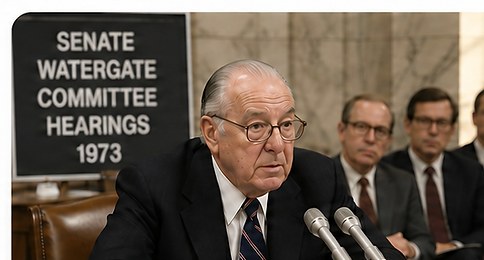 Case Study 7 · Fairness & Rule of Law
Sam Ervin and Watergate Accountability
What HappenedSenator Sam Ervin chaired the Senate Watergate Committee with calm, bipartisan discipline during the Nixon scandal.
The Decent ConductHe pursued the truth with constitutional seriousness and fairness rather than partisan showmanship.
The Real-World BenefitThe hearings uncovered key facts, strengthened the rule of law, and showed that no president is above accountability.
The Lasting ImpactThe committee's work led to major reforms and remains the gold standard for responsible congressional oversight.
Why It Still MattersInstitutions are stronger when public servants investigate abuse with integrity and respect for the rules.
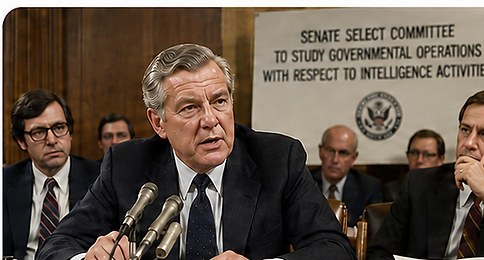 Case Study 8 · Oversight & Civil Liberties
The Church Committee and Surveillance Reform
What HappenedIn 1975, the bipartisan Church Committee investigated surveillance and intelligence abuses by the FBI, CIA, NSA, and IRS.
The Decent ConductThe committee documented abuses carefully and worked across party lines to build reforms instead of scoring political points.
The Real-World BenefitIts work led to intelligence oversight committees, FISA, limits on FBI power, and other safeguards for civil liberties.
The Lasting ImpactThose reforms became the legal framework protecting Americans from unwarranted surveillance for decades.
Why It Still MattersDecent, disciplined oversight can turn government mistakes into lasting protections for everyone's freedom.
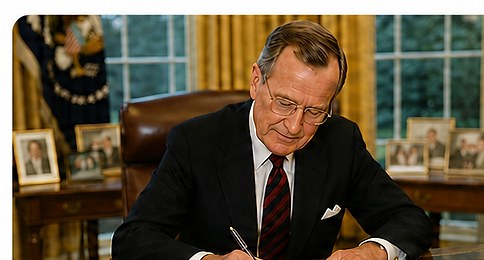 Case Study 9 · Grace & Patriotism
George H.W. Bush's Note to Bill Clinton
What HappenedOn his last day in office in 1993, President George H.W. Bush left Bill Clinton a gracious handwritten note in the Oval Office.
The Decent ConductAfter losing to a political rival, Bush chose generosity and patriotism instead of bitterness or resentment.
The Real-World BenefitThe note modeled a healthier transition, inspired a tradition of goodwill between presidents, and reinforced national unity.
The Lasting ImpactBush and Clinton later built a cross-partisan friendship that showed cooperation after hard-fought elections is possible.
Why It Still MattersQuiet acts of grace remind the country that the presidency belongs to the nation, not to one party.